
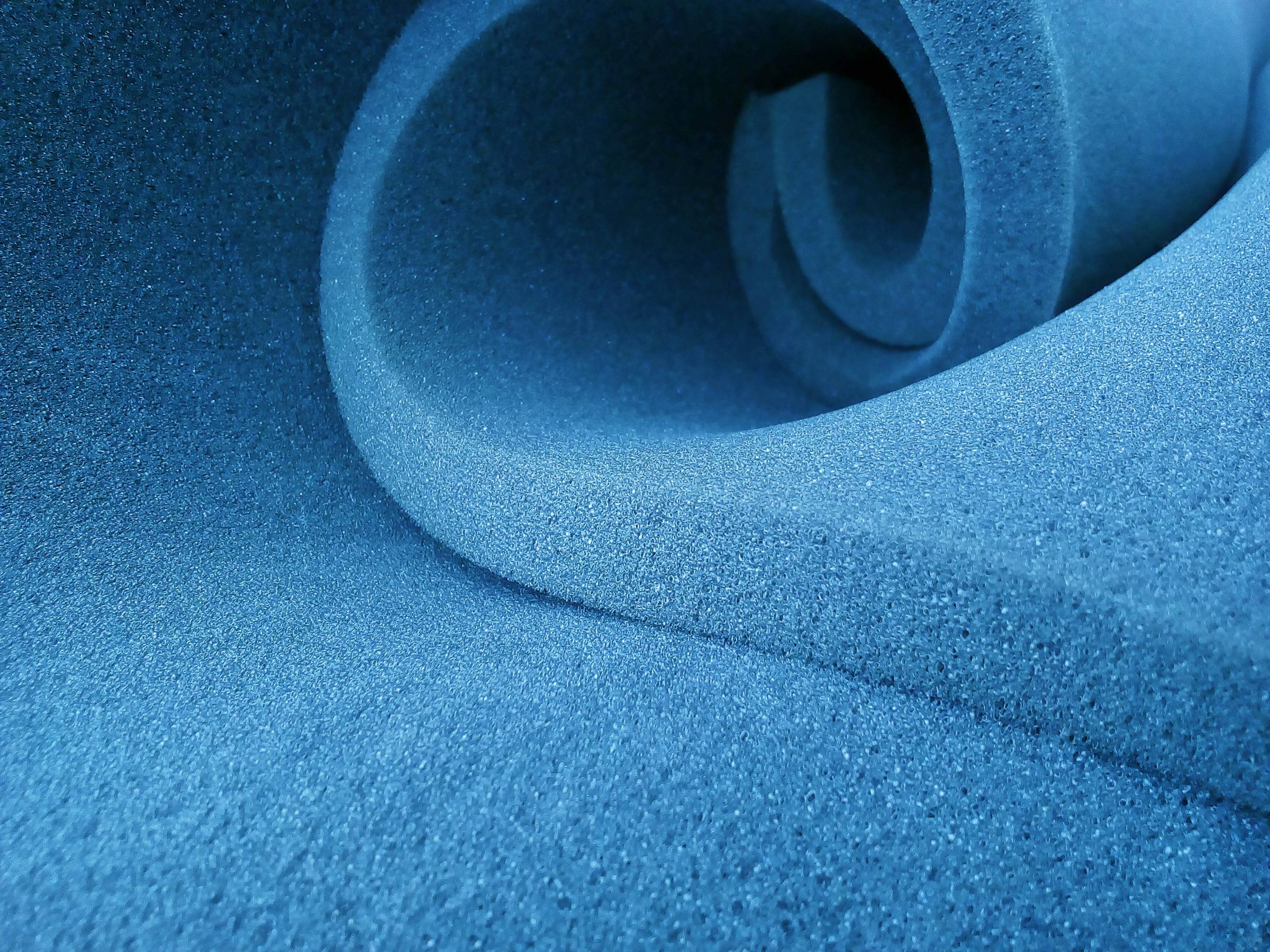
When sourcing polyurethane foam components, it’s easy to assume all suppliers operate the same way. In reality, there is a major difference between buying from a foam fabricator and buying directly from a foam manufacturer. Understanding that difference can impact quality, consistency, lead times, cost, and even the long-term success of your product.
What Is a Foam Fabricator?
A foam fabricator purchases foam from outside suppliers and converts it into finished parts or components. Their expertise is typically in processes like die cutting, laminating, CNC cutting, adhesive application, assembly, and packaging. Fabricators do not usually control how the foam itself is made. Raw material often comes from multiple outside foam suppliers, each with different formulations, manufacturing methods, and quality standards.
What Is a Foam Manufacturer?
A foam manufacturer produces polyurethane foam in-house, controlling key variables such as chemistry, density, porosity, cell structure, and overall material consistency.
Some manufacturers also fabricate the foam into finished components, creating a vertically integrated process that performs the function of both the foam manufacturer and the fabricator.
Why the Difference Matters:
- Material Consistency
When a fabricator buys foam from third parties, the foam source can change over time due to pricing, availability, or supply chain disruptions. Even when specifications appear similar on paper, foam performance can vary significantly between suppliers.
A foam manufacturer has tighter control over these variables because the material is produced internally to specification.
- Faster Problem Solving
If there is a performance issue, fabricators often need to go back to their foam supplier for answers. That can slow down troubleshooting and create communication gaps.
Manufacturers can often adjust foam properties directly, helping accelerate development and resolution of technical issues.
- Better Customization
Fabricators typically work with commercially available foam grades. Manufacturers, however, can engineer foam specifically for the application.
This is especially important in applications where foam performance directly affects outcomes, including:
- Diagnostic swabs
- Advanced wound care
- Drug delivery
- Orthopedic positioning
Instead of asking, “Which stock foam is closest?” the conversation becomes, “What foam properties does the application require?”
- Improved Supply Chain Control
When multiple suppliers are involved, there are more opportunities for delays, quality drift, lot-to-lot variation, and traceability challenges.
A vertically integrated manufacturer can reduce those risks by keeping foam production and fabrication under one quality system and one production campus. For regulated industries, this can improve documentation, validation support, and change control.
- Freshness of the Foam
Many buyers do not realize foam can age. Compression set, color, physical performance, and cleanliness characteristics may change depending on storage conditions and shelf time.
A manufacturer producing foam to order can often provide fresher material compared to fabricators sourcing inventory from external suppliers.
When a Fabricator May Still Be the Right Choice
Fabricators can still be an excellent option when the application is non-critical, commodity foam is acceptable, or the project only requires simple converting operations.
Some fabricators also provide excellent engineering support and customer service. The key is understanding how much control over the foam itself your application truly requires.
Questions Buyers Should Ask
Before selecting a supplier, consider asking:
- Do you manufacture the foam or purchase it externally?
- Can you customize foam properties?
- How is traceability handled?
- What happens if the foam formulation changes?
- Can you support validation and testing requirements?
These questions often reveal significant differences between suppliers that may not be obvious during initial quoting.
Foam Is Not Just Foam
Two materials that look nearly identical can behave very differently in real-world applications. The closer a supplier is to the actual foam manufacturing process, the more control they typically have over performance, consistency, and long-term reliability.
For applications where foam performance matters, understanding whether you are buying from a fabricator or a true foam manufacturer can help you make a more informed sourcing decision.
When you need both, consider a vertically integrated manufacturer.